Do VPNs Really Keep Hackers Away?
Do VPNs Really Keep Hackers Away?
Blog Article
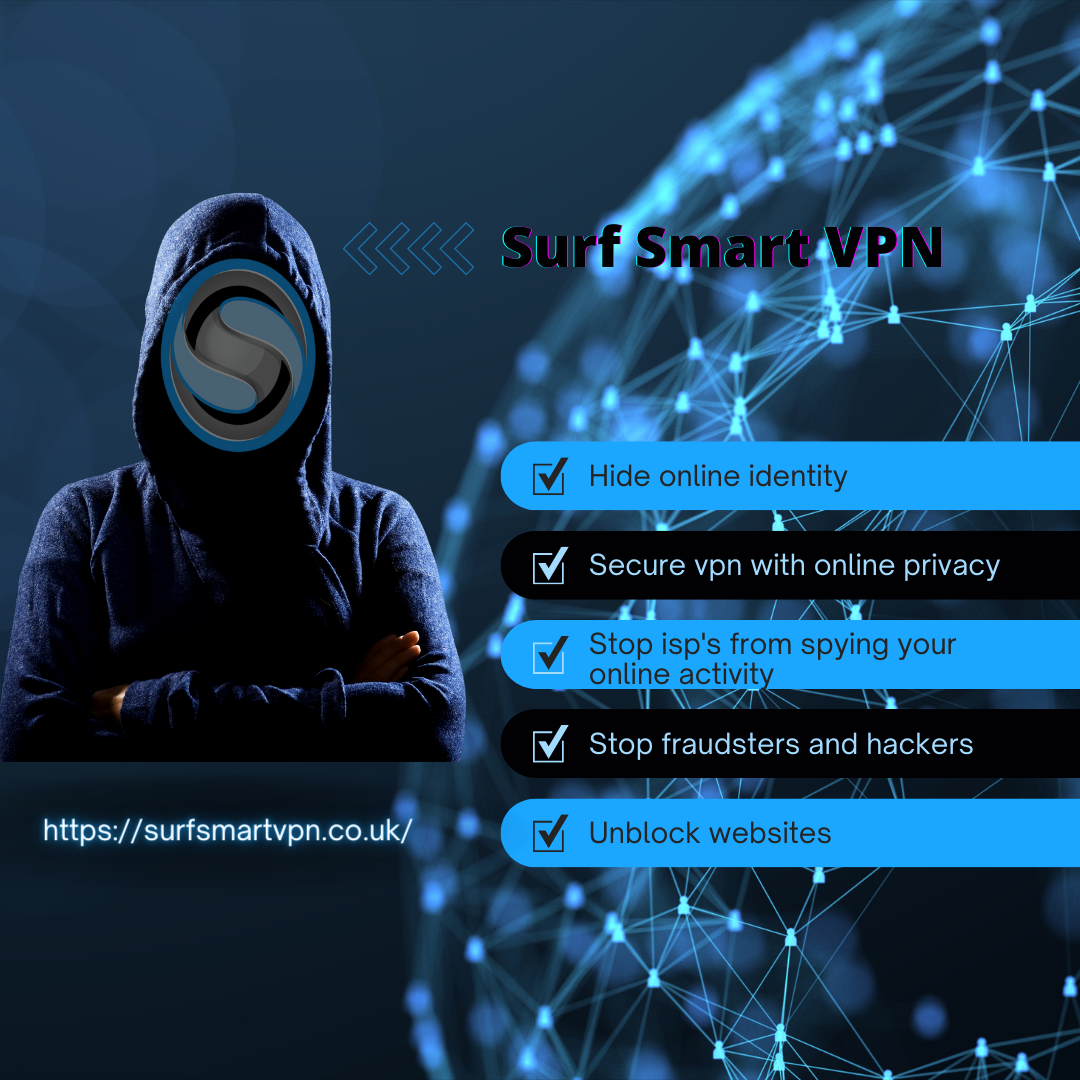
Do a single VPN truly give total defense versus cybercriminals ? The simple answer is: not entirely . While this VPN will secure your internet traffic , making it harder for a person to intercept your information , it’s not a magic solution . Hackers use multiple techniques , and a VPN only addresses a specific type of attack . You still need follow good online habits and be aware of fraudulent messages and malware to be protected.
VPNs vs. Hackers: What You Need to Know
The persistent battle between internet security and nefarious actors is a critical aspect of modern life. Hackers are always developing innovative methods to access your personal data, ranging from rudimentary phishing scams to complex malware attacks. A Virtual Private Network offers a significant layer of defense by coding your web traffic and concealing your real IP address. While a VPN isn't a absolute solution – no network is – it dramatically reduces the probability of being targeted by these threats. Consider it as part of a comprehensive approach to online security, alongside secure passwords, vigilant browsing habits, and regular software upgrades.
- Understanding the Threat: Cybercriminals use a variety of methods.
- VPN Benefits: Scrambling protects your data.
- Important Note: A VPN is a part of total security.
Can a VPN Shield You From Cyberattacks?
A VPN can be a important tool in bolstering your internet safety, but it's not a complete shield against cyberattacks . While a VPN encrypts your web activity, masking your digital footprint from third parties, it primarily addresses threats that originate from your immediate surroundings . Sophisticated attacks, such as zero-day exploits, often bypass the VPN's protection by directly targeting your computer through flaws in software or user error. Therefore, a VPN should be considered a component of a layered security approach which should also include malware protection and safe online behavior. Here's what a VPN *can* do:
- Hide your IP address.
- Secure your data on public hotspots .
- Access geo-restricted websites .
VPN Security: How Well Does it Protect Against Hackers?
VPNs offer a layer of protection against hackers, but it's not a assurance. While a VPN shields your internet traffic and hides your digital footprint, making you more less vulnerable to detect, they don't foolproof. A VPN's reliability copyrights on the company’s policies and methodology. Weak systems or a breached server can leave the details at risk. Furthermore, VPNs won't protect against malware previously present on the device, or spoofing attacks aiming at the user. Ultimately, a VPN is a useful tool, but it should be paired with other good safety routines for total protection online.
Hackers & VPNs: A Realistic Assessment of Protection
While virtual private networks are often touted as a defense against online threats, a practical assessment reveals a complex picture. Hackers are improving their strategies, and a VPN alone isn't a guarantee of complete security. It primarily hides your IP identity and encrypts your internet traffic, which can improve privacy and deliver some level of protection, but it doesn't eliminate all vulnerabilities. Users still need to maintain safe browsing, including avoiding suspicious websites and using strong passwords to maintain a truly secure online presence.
VPNs: A Safety Net Against Hackers, VPNs: A Security Shield Against Hackers, VPNs: A Protection Barrier Against Hackers, or Just a False Sense of Security? Illusory Feeling of Safety? Deceptive Impression of Protection?
VPNs offer a perceived layer of provide a degree of give the appearance of protection against online threats, cyberattacks, malicious activity, but it's essential to understand critical to realize important to acknowledge that they aren't a complete solution, perfect safeguard, total defense. While encrypting your data, shielding your traffic, protecting your connection, a VPN primarily hides your IP address and routes your internet activity redirects your online sessions channels your network requests through a secure server, remote location, private network. This can prevent tracking thwart surveillance block observation by ISPs and websites, advertisers, third parties, but it doesn’t protect doesn’t secure doesn’t defend you from malware downloads, phishing scams, harmful links, or poor online habits. Ultimately, a VPN is a valuable tool, useful addition, helpful resource, but shouldn't be considered a magic bullet, one-stop solution, complete answer.
Protecting Your Data: Does a VPN Stop Hackers?
VPNs, or virtual connections, have become incredibly common tools for boosting online protection. But do they really block hackers? The straightforward answer is: not directly. A VPN encrypts your internet connection, creating a pathway that hides your IP location from platforms and your internet service provider. This makes it more difficult for hackers operating on the same network (like a public Wi-Fi hotspot) to capture your sensitive data. However, a VPN doesn't protect you from each online risks. Phishing scams, malware, and poor online behaviors can still jeopardize your data.
- Think of a VPN as one layer of a comprehensive online plan.
- It’s vital to combine a VPN with strong passwords, virus software, and cautious online conduct.
- A reliable VPN offers a significant boost to your digital protection, but it’s not a total fix.
VPNs and Hacking: Understanding the Limitations
While the Virtual Private connection offers valuable protection and anonymity benefits, it's crucial to appreciate its limitations regarding malicious activity. here A VPN primarily encrypts your online data and obfuscates your public address, preventing direct snooping from the Internet Service Provider or on open Wi-Fi systems. However, it cannot guard you from targeted phishing schemes, malware compromises, or flaws in the websites you use. Ultimately, a VPN is a part of a complete security plan, not a absolute solution against cybercrime.
Are You Safe? VPNs and Hacker Threats Explained
In today's digital environment, securing your information from nasty cybercriminals is ever important. A lot of people think they're secure just browsing public Wi-Fi, but this exposes you open to potential threats. A secure tunnel acts as a barrier between you and intrusive eyes, coding your web activity and masking your online identity. While a VPN can't a perfect solution against all threats, it’s a essential tool in building a stronger internet protection posture.
Beyond the Basics: How VPNs Can (and Can't) Shield Against Hackers
While numerous people think a virtual private network offers complete defense from hackers, the truth is more nuanced. A virtual private network primarily encrypts your internet connection, concealing it from your internet service company and potential observers on public Wi-Fi hotspots. However, it won't fully secure you. Hackers can still compromise you through malware on your computer, phishing attempts, or vulnerabilities in the virtual private network's own network. Basically, a VPN is a helpful component of online protection, but it's not a magic bullet and necessitates complementary steps, such as strong credentials, regular software updates, and cautious online actions to genuinely stay protected from hacking attempts .
VPN Security: A Hacker's Perspective
From a malicious expert's viewpoint, VPNs aren't always the foolproof protection they're often presented as. While they certainly obscure your IP address and encrypt your data while traveling, vulnerabilities can appear at various points. A skilled hacker might target the VPN server itself, breach its infrastructure, or even fool users into connecting to a fake VPN server. Furthermore, the VPN provider's record-keeping are a key factor; if they keep detailed records, that information could potentially be accessed through legal processes or, in a worse-case situation, through a data breach. Therefore, diligent research into a VPN's reputation and security procedures is essential before placing your trust—and your data—in their care.
VPNs and Hackers: Separating Fact from Fiction
VPNs typically generate significant buzz, especially when addressing online security. A prevalent misconception is that a VPN instantly makes you invincible to hackers. Let’s the truth: While a VPN offers essential encryption and masks your IP identity, it's no a flawless shield. Hackers employ multiple techniques, and a VPN just addresses a aspect of online risk. Think of it similar to adding a strong lock to your front door – it prevents some threats, but isn't guarantee total security. In the end, good online practices, like avoiding fraudulent emails and using complex passwords, are just as necessary for preserving your data secure.
- VPNs encrypt your traffic.
- They mask your IP address.
- They cannot a complete solution.
- Combine VPNs with other safety measures.